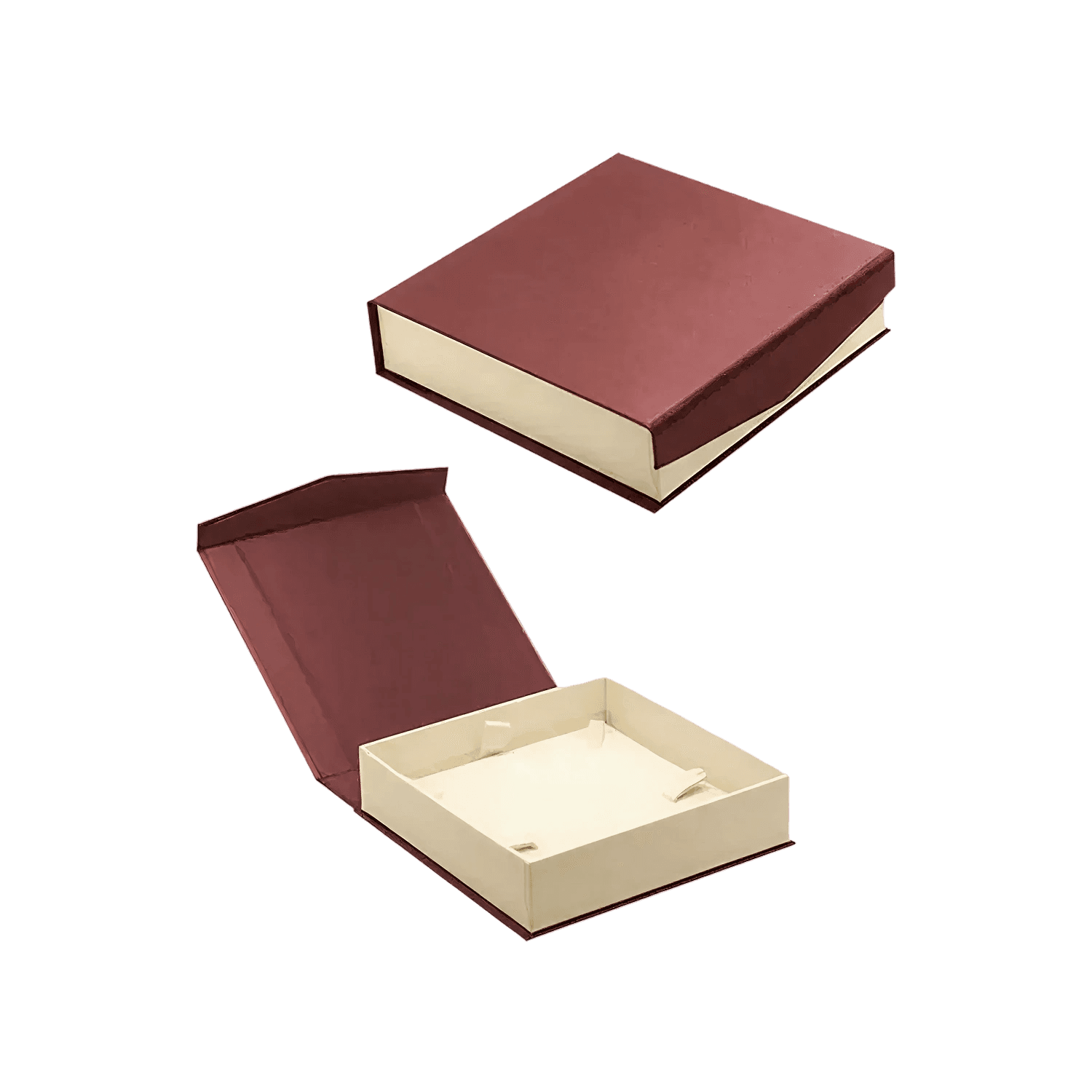
Book Style Rigid Boxes
Book style rigid boxes turn the opening into part of the product experience, making them ideal for premium gifts, presentation sets and launch packs that need structure, protection and a more deliberate reveal than a standard rigid box.
Free Design Support
Clear Pricing
Flexible Quantities
Unlimited Customization
Premium Materials
Offset Precision
Free Shipping
Quick Turnaround
How it works
Simple steps from idea to delivery
Tell Us Your Specs
Provide size, quantity, printing, and finishes.
Get a Fast Quote
Instant transparent pricing, no hidden fees.
Design and Approval
Artwork checks, revisions, and final sign-off.
Produce
Expert manufacturing to meet deadlines.
Ship to Your Door
Hassle-free, flexible delivery options.
About
Book style rigid boxes are built around a cover-and-base structure that opens like a hardback book, so the act of opening becomes part of the presentation. That makes them a strong option when the product needs to feel staged rather than simply packed. Jewellery, corporate gifting, premium stationery, technology accessories, sample kits and curated retail sets all benefit from a format that keeps the contents fixed in place and frames them cleanly the moment the lid opens. The rigid board construction adds weight and presence, while the broad inner surfaces give space for brand colour, welcome messaging, care notes or product stories.
This structure works best when the reveal matters as much as the outer box. If you need a sharper premium moment than Rigid Lid and Base Boxes usually deliver, or you want more internal storytelling space than a simpler premium box can offer, book style rigid boxes are often the better route. They are less suitable when the priority is the fastest possible packing line or the lowest material spend. Custom Packly UK can tailor the structure around product size, insert depth and finish choices, but you should still confirm product dimensions, opening direction, closure style, pack weight and whether the box is meant for gifting, shelf display or ecommerce presentation before production begins.
Why This Packaging Stands Out
Creates a guided reveal that makes premium products feel more considered and gift-worthy.
Keeps products stable inside the pack, especially with fitted inserts or layered components.
Gives more interior branding space for messages, instructions, storytelling or certificates.
Supports high-end finishes without losing the solid feel expected from rigid packaging.
Works across gifting, retail launches and presentation-led ecommerce packs with equal impact.
Custom Build and Finish Options
Hinged Structure
Hardback-style opening adds control, protection and a more deliberate presentation sequence.
Insert Layouts
Die cut inserts keep products centred, separated and visually balanced inside.
Closure Details
Magnets, ribbons or concealed flaps refine feel and keep contents secure.
Print Surfaces
Inner and outer panels can carry branding, messaging and product guidance.
Tailored Sizing
Custom dimensions reduce movement and improve fit for premium product sets.
Market Insight
Premium brands in the UK are increasingly asking packaging to do more than protect the product. The first opening moment now needs to signal value, support the price point and make the contents feel carefully composed. That shift is one reason book style rigid boxes remain attractive for launch kits, onboarding packs, corporate gifting and collector-led retail. The structure creates a controlled sequence: open the cover, reveal the message, then reveal the product. Many competitor pages focus only on luxury finishes, but the stronger commercial advantage is presentation control. When inserts, literature cards, swatches or accessories all need a clear place, this box style helps the presentation feel intentional rather than crowded. It also works well for short-run promotional boxes where the packaging itself carries part of the story.
Best Use Cases
Corporate gift boxes that need a polished opening and organised internal presentation.
Presentation kits combining products, literature cards, samples or branded accessories.
Premium watch, jewellery or stationery packs where the reveal supports perceived value.
Launch boxes for influencers, partners or press with layered branded components.
Retail gift sets shipped inside an outer transit carton for safe delivery.
FAQs
The main difference is the opening behaviour. Instead of removing a separate lid, the box opens on a hinge like a hardback cover. That gives the product a more directed reveal and keeps the contents presented in a fixed position. It is a better choice when the opening moment, inner messaging or insert layout plays an important role in how the product is received.
Choose book style rigid boxes when presentation control matters more than packing speed. They are stronger for guided reveals, interior storytelling and product layouts that should stay visible as soon as the box opens. Choose Rigid Lid and Base Boxes when you want a simpler premium structure with faster access and a more traditional two-piece format for routine packing or repeat fulfilment.
Yes, and that is one of their biggest strengths. This format works especially well with die cut inserts, foam supports, ribbon lifts, message panels and branded interiors because the inside stays open and visible in a neat layout. If the pack includes multiple items, literature cards or fragile accessories, those additions can make the whole presentation feel more ordered and more premium.
They can be, but they usually work best as the presentation pack inside an outer transit carton or mailer. The rigid structure protects the product well and creates a premium unboxing experience, yet buyers should not rely on the box alone for rough courier handling. Product weight, insert fit and shipping distance should all be checked before choosing the final packing setup.
Start with the packed product dimensions, insert depth, opening orientation and closure method. Then confirm whether the box is intended for gifting, shelf display, handover presentation or ecommerce fulfilment. It also helps to decide early which elements must appear inside the box, such as printed messaging, ribbons, literature cards or accessory compartments, because those choices affect layout, size and cost.